
"Capin Branco"
210 article(s) found

Introduction of high-quality coffee beans in Brazilian coffee manor with a long aftertaste
Based on the monotonous climate of Brazil, Brazilian research units have developed a half-sun method to shorten the processing time. After removing the pulp, the coffee fruit will be exposed to the pectin-coated pods for one to three days, and then machine-dried to a moisture content of 12%, which can be put into a storage container. The Brazilian half-sun method greatly shortens the work time (the traditional sun method takes two to three weeks), and also reduces coffee bean dyeing.

Introduction to the flavor and taste characteristics of Bolivian coffee manor
Because there are so many kinds of Brazilian coffee in Brazil, you can't just use the word Brazilian coffee to include it. Like other Arabica coffee, Brazilian coffee is called Brazils to distinguish it from Milds coffee. The vast majority of Brazilian coffee is unwashed and sun-dried and is classified according to the name of the state of origin and port of transport. Brazil has 21 states and 17 states produce coffee, but its

Introduction to the description of the flavor of the varieties and the taste characteristics of Brazilian coffee with extremely smooth entrance
General agricultural materials, completely abandon the flavor and disregard. As a result, many select coffee companies simply do not sell Brazilian beans so as not to demean themselves. In select coffee shops, Brazil's santos coffee still appears occasionally, but it is Bourbon Santos (bourban santos) rather than low-cost flat bean Santos. Santos is a descendant of the Bourbon species, so the port of Santos exports

Grinding scale of Brazilian Hilado Coffee beans introduction to the manor of taste treatment
Brazil is vividly compared to the giant and monarch of the coffee world. There are about 3.97 billion coffee trees there, and small farmers now grow 75% of Brazil's total coffee production. The number of coffee producers in Brazil is twice or even three times that of Colombia, the second largest coffee producer in the world. Unlike in the past, Brazil's economy is less dependent on coffee.

Coffee appreciation Handbook Coffee Origin: Brazil Brazil Brazilian coffee beans
For professional baristas, please follow the coffee workshop (official Wechat account cafe_style) low-acidity, moderately roasted coffee beans from the World Coffee Center. Brazil is vividly compared to the giant and monarch of the coffee world. There are about 3.97 billion coffee trees there, and small farmers now grow 75% of the country's coffee. The number of coffee producers in Brazil is

Introduction of varieties of Grinding scale by taste treatment method for Flavor description of Brazilian Coffee Farm
Brazilian Coffee Flavor description of the region Flavor treatment Grinding scale varieties Brazil is the world's largest coffee producer. But Brazil originally did not produce coffee. Coffee originated in Arabia and was introduced into Europe in the 18th century and was very popular. Later, the French specially shipped the coffee saplings to French Guiana, which was finally introduced into Brazil, and finally carried forward in Brazil. Please don't

Brazilian Coffee Flavor Brazilian Coffee characteristics Brazilian Coffee taste Manor
Brazilian coffee generally refers to coffee produced in Brazil. There is a wide variety of Brazilian coffee, the vast majority of which are unwashed and sun-dried, classified according to the name of the state of origin and the port of transport. Brazil has 21 states and 17 states produce coffee, but four of them produce the largest, accounting for 98% of the country's total output. Brazilian coffee has a low sour taste, which goes well with coffee.

Description of soft-scented Brazilian Coffee Flavor introduction to the production process of planting environment
Although coffee is diverse, Brazilian coffee is suitable for the taste of the public. For example, coffee produced in the northern coastal areas has a typical iodine taste, reminiscent of the sea after drinking. This coffee is exported to North America, the Middle East and Eastern Europe. Another kind of coffee that is interesting and worth looking for is washed Bahia coffee. This kind of coffee is not easy to find, because after the United States

Brazilian coffee has a low sour taste and is suitable for public taste.
Following Cafe (official Wechat account vdailycom) found that the Brazilian coffee industry follows the principle of picking first and screening later, but in other Latin American countries, people only pick the fully ripe fruit, and if it is not ripe enough, the growers will leave the fruit on the tree. Why is there such a big difference between the two methods? The reason lies in the raw bean.

Fragrant, slightly bitter, smooth Brazilian coffee flavor, characteristics, taste and estate introduction
Brazilian coffee refers to coffee produced in Brazil. There are many types of Brazilian coffee, most of which are unwashed and dried. They are classified according to the state of origin and port of shipment. Brazil has 21 states, 17 of which produce coffee, but four of them produce the most, accounting for 98% of the country's total production. Brazilian coffee has a low acidity in the taste, and it is accompanied by coffee

An introduction to the characteristics of Brazilian coffee boutique coffee bean flavor and taste manor with endless coffee plantations
There are many large farms in Brazil, which run endless coffee plantations. They use machines to harvest and dry them. They are so efficient in automation that they regard coffee as a general agricultural material and completely abandon the flavor and flavor. As a result, many select coffee companies simply do not sell Brazilian beans so as not to demean themselves. In select coffee shops, Santos in Brazil still appears occasionally.

Sweet and smooth taste slightly bitter Brazilian coffee flavor, characteristics, taste and manor
Brazilian coffee generally refers to coffee produced in Brazil. There is a wide variety of Brazilian coffee, the vast majority of which are unwashed and sun-dried, classified according to the name of the state of origin and the port of transport. Brazil has 21 states and 17 states produce coffee, but four of them produce the largest, accounting for 98% of the country's total output. Brazilian coffee has a low sour taste, which goes well with coffee.
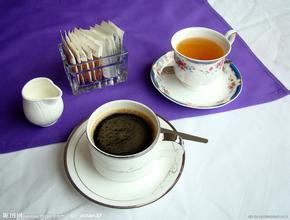
Flavor and taste characteristics of Brazilian Santos coffee beans an introduction to the manor production area described by Sidamo
Brazilian coffee was introduced from French Guiana in 1729. It is true that intensive farming, changing treatment methods and improving the technical content of planting can improve the quality of coffee to some extent, but in any case, the natural conditions of Brazil cannot be compared with those of some regions that produce the world's top coffee. Because although Brazil has better soil conditions and humid climate, it is not high above sea level.
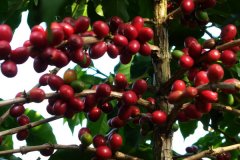
Low-acidity, moderately roasted coffee beans of the World Coffee Center of Central and South America.
Brazil, a low-acidity, moderately roasted coffee bean from the World Coffee Center, is vividly compared to the giant and monarch of the coffee world. There are about 3.97 billion coffee trees there, and small farmers now grow 75% of the country's coffee. The number of coffee producers in Brazil is twice or even three times that of Colombia, the second largest coffee producer in the world.

Sweet and smooth, fragrant and slightly bitter Brazilian coffee flavor, characteristics, taste and manor
Brazilian coffee generally refers to coffee produced in Brazil. There is a wide variety of Brazilian coffee, the vast majority of which are unwashed and sun-dried, classified according to the name of the state of origin and the port of transport. Brazil has 21 states and 17 states produce coffee, but four of them produce the largest, accounting for 98% of the country's total output. Brazilian coffee has a low sour taste, which goes well with coffee.

Sweet and smooth taste with slightly bitter Brazilian coffee flavor, characteristics, taste and manor
Brazilian coffee generally refers to coffee produced in Brazil. There is a wide variety of Brazilian coffee, the vast majority of which are unwashed and sun-dried, classified according to the name of the state of origin and the port of transport. Brazil has 21 states and 17 states produce coffee, but four of them produce the largest, accounting for 98% of the country's total output. Brazilian coffee has a low sour taste, which goes well with coffee.

The fragrance is slightly bitter, smooth and smooth Brazilian coffee flavor, characteristics, taste and manor
Brazilian coffee generally refers to coffee produced in Brazil. There is a wide variety of Brazilian coffee, the vast majority of which are unwashed and sun-dried, classified according to the name of the state of origin and the port of transport. Brazil has 21 states and 17 states produce coffee, but four of them produce the largest, accounting for 98% of the country's total output. Brazilian coffee has a low sour taste, which goes well with coffee.

What kind of coffee beans are grown in Brazil? what are the advantages of growing coffee in Brazil?
Professional coffee knowledge exchange more information about coffee beans Please follow the coffee workshop (official Wechat account cafe_style) mention the origin of coffee, the first thing people think of is Brazil in South America, because it is the largest coffee producer in the world. There are many kinds of coffee in Brazil, most of which are unwashed and sun-dried, and are classified according to the name of the state of origin and the port of transport.

Introduction to the flavor and taste characteristics of Bolivian coffee varieties with fresh floral aroma
Although the Chinese coffee network has a variety of coffee, Brazilian coffee is suitable for the taste of the public. For example, coffee produced in the northern coastal areas has a typical iodine taste, reminiscent of the sea after drinking. This coffee is exported to North America, the Middle East and Eastern Europe. Another kind of coffee that is interesting and worth looking for is washed Bahia coffee. This kind of coffee is not easy to find.